
Why Your Team Stops Speaking Up… and How Strong Leaders Rebuild Trust

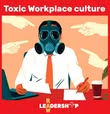
One of the most dangerous moments in leadership is when your team stops challenging you.
At first, it feels easier.
Fewer disagreements.
Fewer difficult conversations.
Fewer problems being raised.
Everything appears calm.
But this calm is deceptive.
Because when people stop speaking up, they haven’t stopped seeing problems.
They’ve stopped believing it’s safe or worthwhile to raise them.
Silence Is Not Respect. It Is Often Protection.
Many leaders interpret silence as agreement.
But in reality, silence is often self-protection.
People protect themselves when they feel their input won’t be valued, welcomed, or received safely.
This is not always caused by obvious negative leadership.
It is often created unintentionally through small behavioural patterns.
Interrupting people when they speak.
Dismissing ideas too quickly.
Reacting emotionally to problems.
Solving issues immediately instead of listening fully.
Over time, your team learns something important.
Not through instruction, but through experience.
They learn whether speaking up is safe.
If it feels unsafe, silence becomes the safer option.
The Hidden Cost of a Silent Team
When your team stops speaking openly, leadership becomes harder.
Problems reach you later.
Opportunities are missed.
Mistakes increase.
Innovation disappears.
And most importantly, you lose visibility.
You can only lead what you can see.
And when people stop showing you the full picture, your effectiveness as a leader is limited.
Not because of your capability.
But because of your access to truth.
Why Psychological Safety Is the Foundation of Strong Leadership
Psychological safety is one of the most important factors in team performance.
It means people feel safe to speak honestly without fear of embarrassment, rejection, or negative consequences.
When psychological safety exists, people contribute ideas, raise concerns, and take ownership.
When it is absent, people withdraw.
They comply instead of contributing.
They protect themselves instead of strengthening the team.
Strong leadership creates psychological safety intentionally.
Strategy One: Change How You Respond, Not Just What You Say
Your reaction to problems determines whether people bring you more of them.
If your response creates tension, frustration, or emotional discomfort, people will avoid repeating that experience.
Even subtle reactions matter.
Facial expressions.
Tone of voice.
Body language.
Instead of reacting immediately, pause and listen fully.
Acknowledge what has been shared before responding.
Simple phrases such as “I appreciate you bringing this to me” reinforce psychological safety.
This strengthens trust and encourages openness.
Strategy Two: Ask for Input Before Giving Direction
Many leaders unintentionally shut down communication by moving too quickly into instruction mode.
When leaders provide answers immediately, they limit contribution.
Instead, ask questions first.
“What are your thoughts on this?”
“What do you think we should consider?”
“What do you see that I may not be seeing?”
These questions activate ownership, thinking, and engagement.
They demonstrate that input is valued.
Over time, people become more confident contributing openly.
What Happens When Your Team Trusts You Enough to Speak Openly
Everything becomes easier.
Problems are identified earlier.
Solutions emerge faster.
Innovation increases.
Trust strengthens.
Your team becomes more engaged, more capable, and more committed.
And your leadership becomes more effective, because you are no longer operating with incomplete information.
You are leading with clarity.
Leadership Is Not About Having All the Answers
Leadership is about creating an environment where the best answers can emerge.
Not from you alone.
But from your entire team.
When people feel psychologically safe, they contribute fully.
And when they contribute fully, performance improves naturally.
Work With Me to Strengthen Trust, Communication, and Leadership Confidence
If you feel like your team holds back, stays quiet, or avoids difficult conversations, this is not a permanent condition.
It is a leadership skill that can be developed.
Work with me, and in six months I’ll help you build the emotional intelligence, trust, and behavioural awareness that creates open communication, stronger relationships, and a team that speaks honestly and performs confidently.
#leadership#stevebarker#RAWLeadership#leadershipdevelopment#emotionalintelligence#executiveleadership#leadershipcoach#psychologicalsafety#workplaceculture#peoplebeforeprofits


Comments